A better assistant than most analysts
In just a few years, AI has advanced far beyond what most of us imagined.
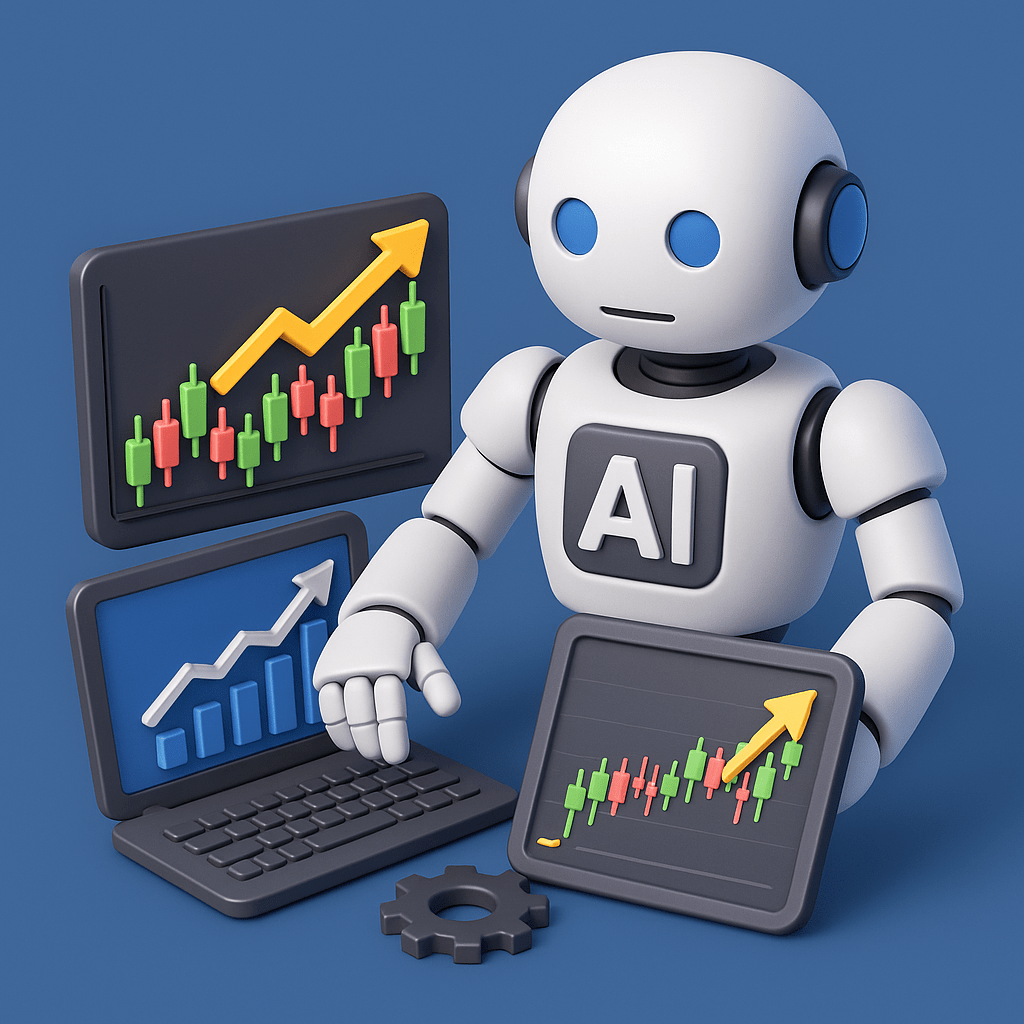
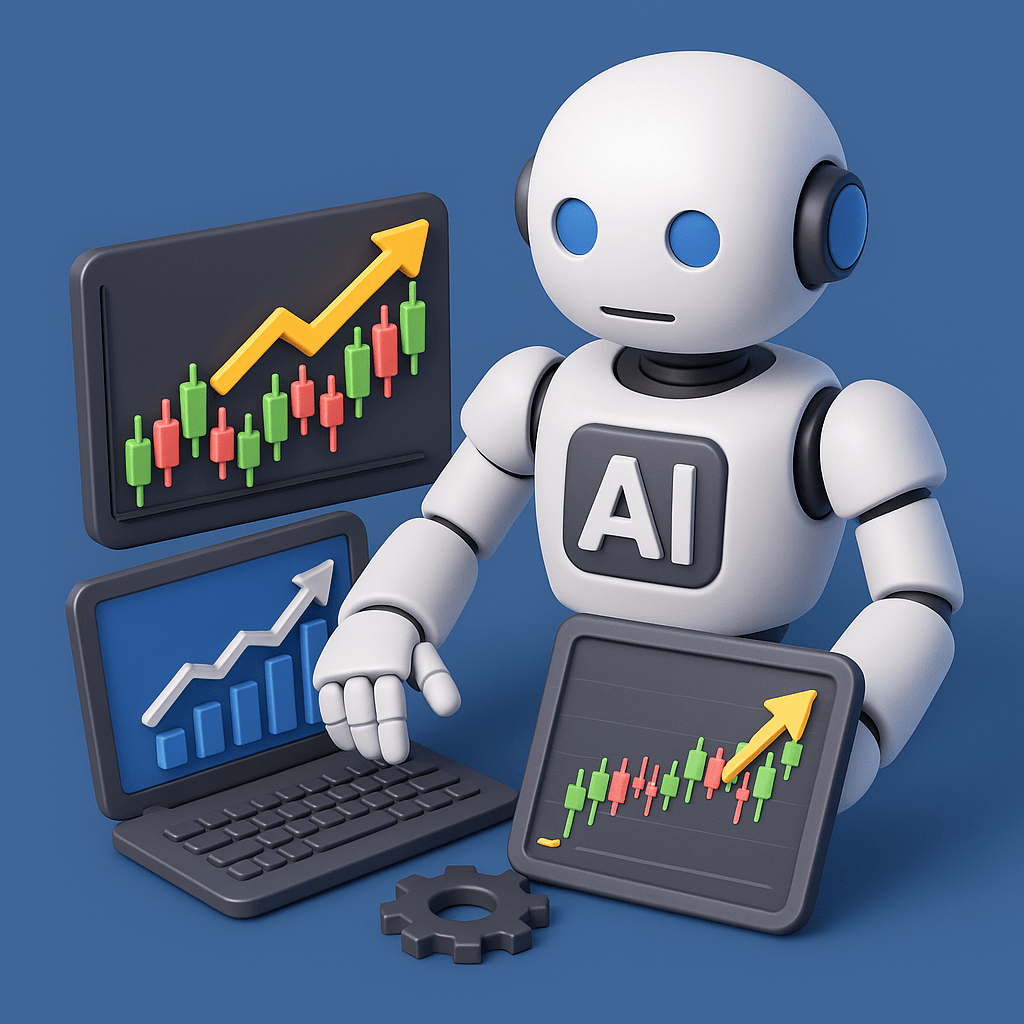
Among these breakthroughs, GPT stands out—not just as a conversational bot, but as a powerful tool that supports nearly every aspect of investing: research, analysis, summarization, and decision support.
As a retail investor, I’ve been actively integrating ChatGPT into my stock investing process.
At first, I was skeptical.
Now, I’m convinced:
It’s better than most analysts.
And when you fine-tune and set up GPT specifically for your investing needs, its value multiplies.
How I use ChatGPT in my investment workflow
GPT isn’t a ready-made analyst.
But used correctly, it becomes the most powerful assistant a retail investor can have.
Here’s how I personally use it:
1. Research summarization and issue analysis
Every day, we’re bombarded with financial news, analyst reports, SEC filings, and earnings releases.
GPT can digest this mountain of information and summarize it in under a minute.
Not just summaries—it also answers questions like:
- “What impact will this news have on the company?”
- “Why is this sector gaining attention?”
It’s incredibly useful for extracting the core logic behind headlines.
2. Valuation support
GPT doesn’t just explain valuation models like DCF, PER, or EV/EBITDA—it also helps structure them.
You can’t rely on it for precision math,
But it’s excellent for:
- Reviewing your calculation logic
- Running sensitivity checks on valuation inputs
- Comparing the strengths and weaknesses of different models
In this role, it functions like a second set of eyes for complex analysis.
3. Investment idea brainstorming
Questions like:
- “Which digital healthcare stocks are worth watching?”
- “Which sectors performed well during past rate hikes?”
GPT offers directional ideas that help you frame your thinking.
It’s not about blindly trusting the suggestions—
It’s about sparking your own research with meaningful prompts.
And that role is far more impactful than it sounds.
GPT is not a substitute. It’s a multiplier.
Some believe AI will soon replace analysts.
But in my experience, GPT doesn’t replace my analysis—it amplifies it.
As a retail investor with limited time and resources,
GPT gives me the ability to:
- Save time
- Expand my perspective
- Sharpen my strategy
In the end, what matters is how you use it.
I use GPT as a tool—
And thanks to it, I now see the market with more depth and clarity than ever before.
 The Valuation : Value Investing Through Valuation
Leave a comment